
21 March 2023 (partly cloudy, 10C).
The European Union emulates the statist structures of a democratic nation state in many ways. It has, for example, political and legal branches that, at least in terms of nomenclature, reflect the idea of a separation of powers. Physically the branches are distributed across central Europe. Brussels remains the heart of the Union’s executive branch, while the legislative branch, i.e. the European Parliament, operates from both Brussels and Strasbourg in a costly and time consuming arrangement between Member States who ‘agree to disagree’. The European Parliament even has office space in Luxembourg, but this does not require MEPs to travel.
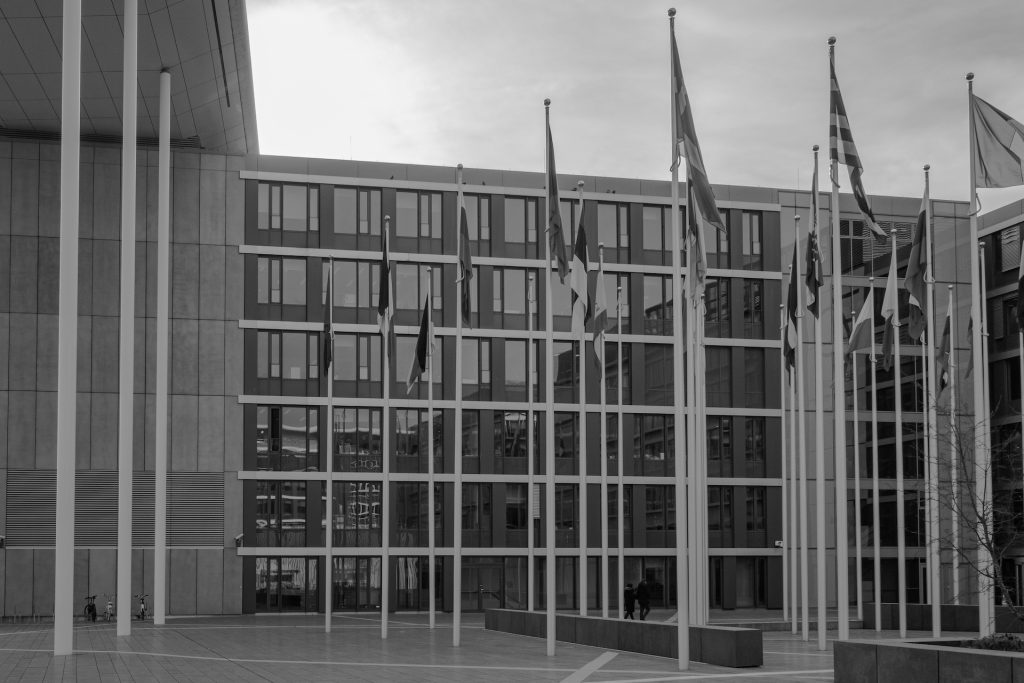
You’ll find a few more photographs of the Konrad Adenauer Building here.
The Lilliputian principality has always been keen to emphasise its role as one of the main seats of the EU claiming to be one of three European capitals and to show that it can ‘play with the big boys’. With wealth generated through especially the financial sector present in Luxembourg City, one would have thought that it is also the ideal location for the seat of the European Central Bank. Yes, Luxembourg is the seat of EU banking institutions like the European Investment Bank (EIB), but the city is best known as the judicial seat of the Union. Originally founded in Luxembourg in the early 1950s as the court of one of the European communities, the current seat is in Luxembourg City’s Kirchberg quarter east of the centre. At the outset, there were no specific buildings suitable to house the court, and the justices met at several locations in Luxembourg the best-known of which was the neoclassical Villa Vauban nearer to the centre. The Luxembourg authorities were, however, keen to secure the city as the judicial seat, so plans for constructing a purpose-built courthouse were quickly incorporated into the development of the Kirchberg quarter as a concentration of various EU sites.
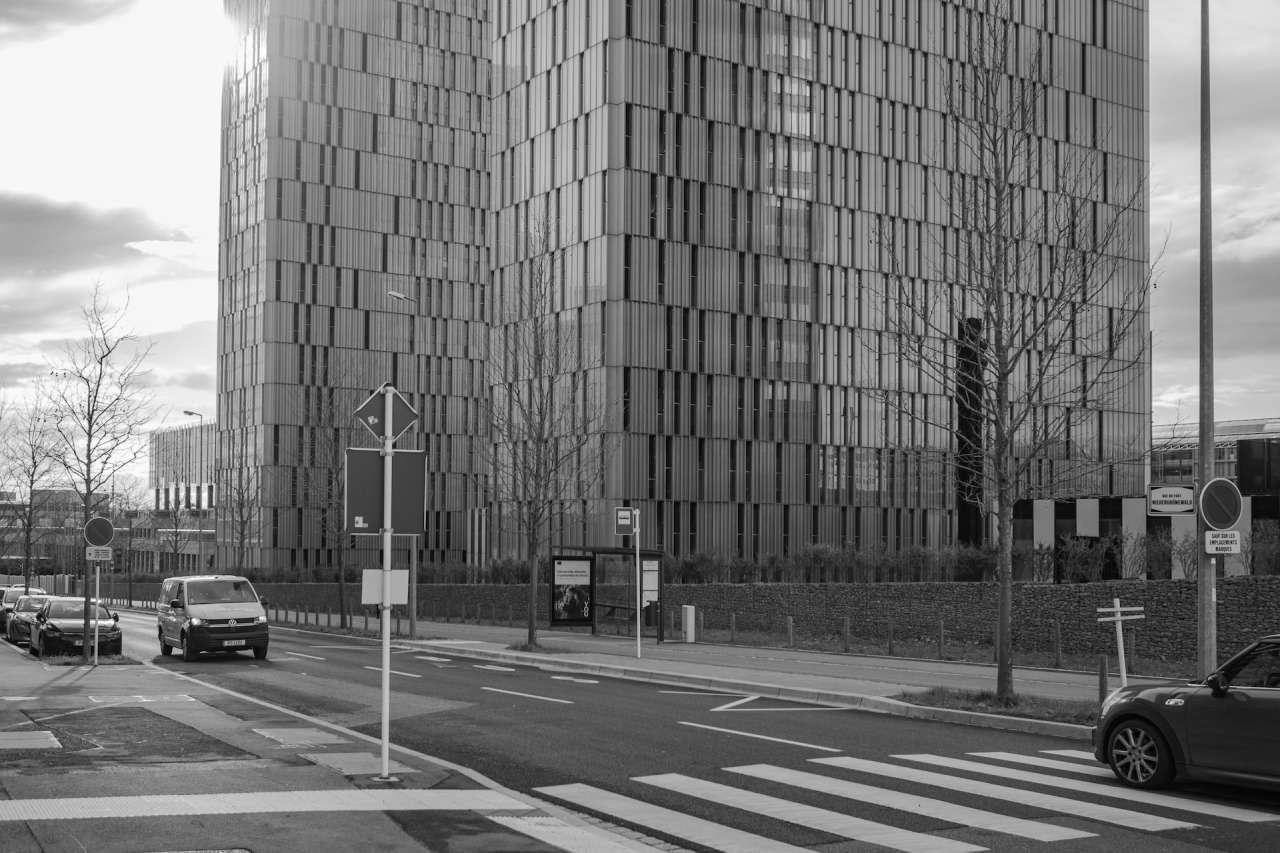
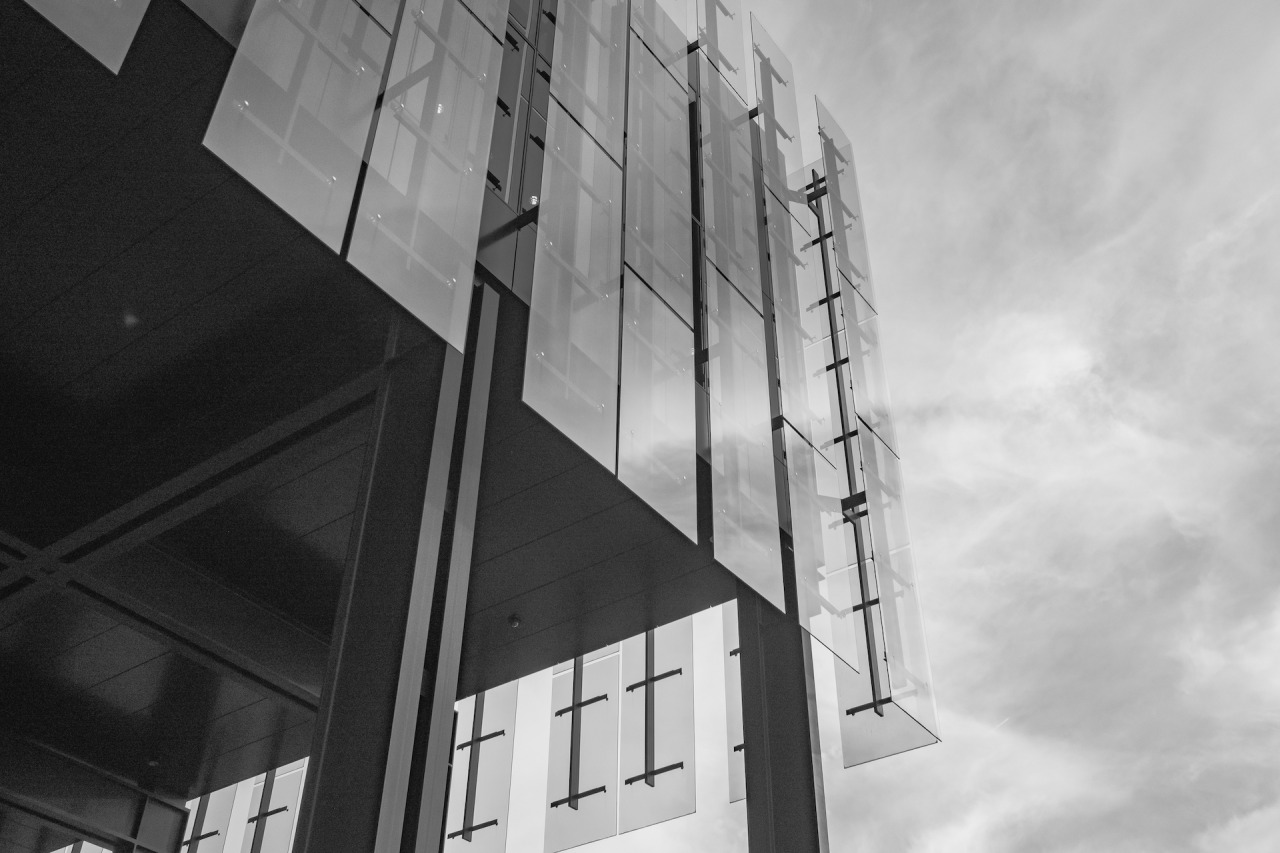
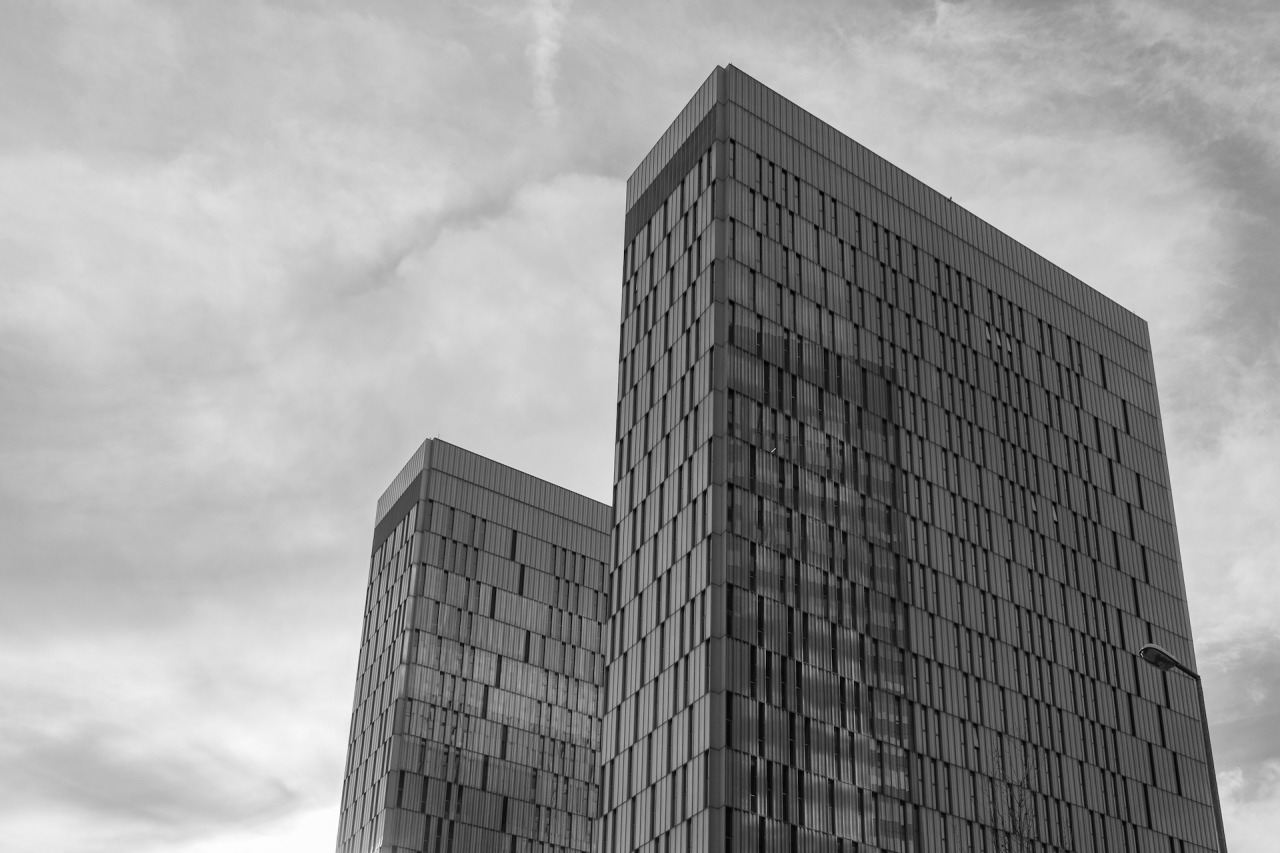
The Palais de la Cour de Justice that we see today has been constructed in several phases, each phase adding something to the preceding one or correcting construction mistakes made earlier (like the use of asbestos). The first phase saw the completion of what today is known as the Ancien Palais, and in the next few years it was annexed with three additional low-rise buildings mainly to provide more office space. Today the Palais is the vision of French architect Dominique Perrault who was awarded the task to finalise the project in a way that would not only preserve and renovate what already existed, but to design several new elements. These included a two-storied ‘ring’ encircling the Ancien Palais providing additional office space for the justices and their cabinets, two 24-storey towers for the court’s translation services, and a wide corridor-like gallery uniting the different elements into one. In a subsequent and perhaps final stage, a third 29-storey tower was added.
Perrault’s design philosophy is strikingly at odds with Nordic legal values. While most court architecture in the north strives for secular connotations in order to distance law from religious or monarchical overtones, Perrault seems to have decided to move into the opposite direction. He has taken the idea of a Graeco-Roman temple from the design of the Ancien Palais and added to it as if the authority of law required it. The court is like a hybrid combining elements of sacral architecture with monarchic symbols such as the golden colour which covers the entire new part.
More photos here.